Dark humor and gallows humor: when is it healthy, and when is it a red flag?
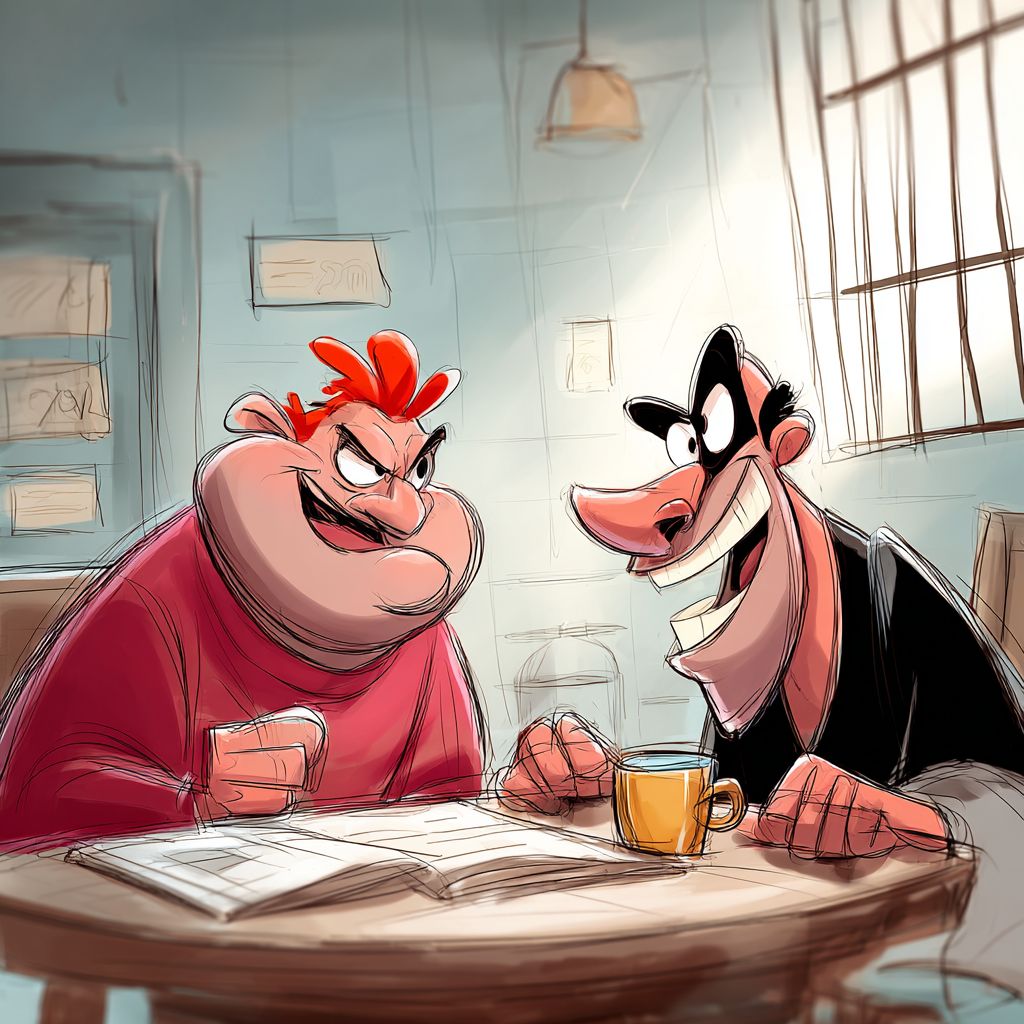
In 1942, Sigmund Freud’s former patient and fellow psychoanalyst Theodor Reik escaped Nazi-occupied Europe and made his way to New York. Years later, he would recount a joke that had circulated among Jews in Vienna as the Nazi threat grew: “A Jew is sitting in a café reading a Nazi newspaper. A friend comes over and says, ‘Why are you reading that garbage?’ The Jew replies, ‘Look, when I read the Jewish papers, all I see is Jews being persecuted, pogroms, emigration. But when I read the Nazi paper, I learn that we control the banks, we run the government, we dominate the world. It’s much more encouraging.'”
This is gallows humor in its purest form—a joke born from the darkest possible circumstances, one that acknowledges horror while simultaneously finding an angle that produces laughter. It doesn’t minimize the danger. It doesn’t pretend everything will be fine. It takes the reality of persecution and, through a kind of cognitive judo, flips it into something absurdly funny.
But here’s the question that haunts any serious discussion of dark humor: Is this healthy? Is laughing at terrible things a sign of resilience, or a symptom of something broken? When does gallows humor represent a sophisticated coping strategy, and when does it signal that someone is in trouble?
The answers, as it turns out, are more nuanced than you might expect.
Defining Dark Humor and Gallows Humor
Before we can evaluate when dark humor helps and when it harms, we need to be clear about what we’re discussing. The terms “dark humor” and “gallows humor” are often used interchangeably, but they have slightly different connotations.
Dark humor is the broader category—comedy that deals with subjects generally considered serious, painful, or taboo. Death, illness, tragedy, violence, and human suffering are its raw materials. Dark humor can be enjoyed from a distance; you don’t have to be personally affected by the subject matter to find it funny.
Gallows humor is more specific. The term originated from jokes told by condemned prisoners on their way to execution—humor created by people who are themselves facing the terrible situation being joked about. Gallows humor is first-person dark humor; it’s the cancer patient joking about their diagnosis, the soldier joking about combat, the emergency room nurse joking about the chaos of their shift.
This distinction matters because the two types function differently. Dark humor enjoyed by observers raises different psychological and ethical questions than gallows humor employed by participants. A comedian making jokes about death is doing something quite different from a hospice patient making the same jokes.
The Psychology of Why We Laugh at Darkness
Why would anyone find suffering funny? The question seems to answer itself—they shouldn’t. And yet humans have been making jokes about death, disaster, and despair for as long as we have records of human expression.
Several psychological mechanisms help explain this seemingly paradoxical tendency.
Incongruity resolution is one factor. Much of humor relies on our brains detecting a mismatch between what we expect and what we encounter, then resolving that mismatch in a surprising way. Dark subjects provide particularly stark incongruities—we expect solemnity around death, so humor in that context is maximally surprising. When the resolution works, the cognitive satisfaction can be intense.
Benign violation theory offers another lens. Psychologists Peter McGraw and Caleb Warren propose that humor arises when something simultaneously seems wrong (a violation) and okay (benign). Dark humor constantly walks this line—the subject matter feels like it shouldn’t be joked about, but the joke itself somehow makes it acceptable. When the balance is right, we laugh. When it tips too far toward violation, we’re offended. When it’s too benign, there’s no edge, no surprise, no humor.
Relief theory, dating back to Freud, suggests that laughter releases psychological tension. Dark subjects create tension—anxiety about death, discomfort with taboo topics, fear of our own vulnerability. A well-crafted joke about these subjects allows us to discharge that tension safely. We’re confronting our fears, but in a controlled environment, and laughter is the release valve.
Superiority theory may also play a role, though a complicated one. Some dark humor allows us to feel we’ve mastered something frightening by treating it lightly. The cancer patient who jokes about their tumor is, in a sense, asserting dominance over it—refusing to let it control their emotional life entirely.
The Case for Dark Humor as Healthy Coping
Research increasingly supports what many people intuitively sense: dark humor, when used appropriately, can be a sign of psychological strength rather than weakness.
A 2017 study published in Cognitive Processing found that people who appreciated dark humor (specifically, sick jokes about death, disease, and deformity) scored higher on measures of verbal and nonverbal intelligence and lower on measures of mood disturbance and aggression. The researchers suggested that processing dark humor requires more cognitive effort than processing simple humor, and that the ability to find these jokes funny—without being disturbed by them—may indicate sophisticated emotional regulation.
Among professionals who regularly encounter trauma, dark humor appears to serve protective functions. Studies of emergency room staff, paramedics, police officers, and soldiers consistently find that gallows humor is nearly universal in these populations, and that it correlates with better psychological outcomes. A 2014 study of firefighters found that those who used humor to cope with traumatic calls showed lower rates of PTSD symptoms and burnout.
The mechanisms at work seem to include:
Psychological distancing. Dark humor creates space between the person and the terrible thing they’re confronting. By framing something as material for a joke, you’re implicitly stepping back from it, viewing it from outside rather than being trapped inside it. This distance can make overwhelming situations feel more manageable.
Meaning-making. Victor Frankl argued that humans can endure almost anything if they can find meaning in it. Dark humor is one way of imposing meaning—or at least coherence—on chaotic, senseless suffering. The joke provides a structure, a way of organizing the experience that makes it more comprehensible.
Social bonding. Among people who share difficult experiences, gallows humor can strengthen group cohesion. It signals membership in a community that understands what others can’t. When trauma surgeons joke with each other about a brutal shift, they’re affirming their shared experience and creating solidarity that helps them face the next shift.
Reclaiming agency. When terrible things happen, people often feel powerless. Humor is an assertion of agency—a choice about how to respond. By making a joke, you’re declaring that the situation doesn’t get to dictate your entire emotional response. Something in you remains free.
When Dark Humor Becomes a Red Flag
Despite its potential benefits, dark humor isn’t always healthy. The same behavior that signals resilience in one context can signal trouble in another. Understanding the warning signs is essential for both individuals and those who care about them.
Exclusivity is a concern. If someone only ever engages with their difficulties through humor—if they cannot or will not discuss them seriously—the humor may be functioning as avoidance rather than coping. Healthy coping involves flexibility, the ability to be funny sometimes and serious when needed. When humor becomes the only mode available, something may be wrong.
Escalation matters. Dark humor that becomes progressively darker, more frequent, or more desperate can indicate deteriorating mental health. A few morbid jokes are normal; a constant stream of them, especially if they’re becoming more extreme, may signal that someone is struggling to contain what they’re feeling.
Content deserves attention. There’s a difference between joking about a difficult situation and joking about harming oneself or others. Humor that includes specific references to suicide methods, self-harm, or violence should be taken seriously, even if it’s framed as “just joking.” Research on suicide has found that people sometimes express genuine ideation through humor because it feels safer than stating it directly.
Audience and reception matter. Gallows humor that distresses others—family members, fellow patients, colleagues—may indicate disconnection from social norms or difficulty reading emotional cues. The humor that helps is humor that maintains connection; humor that isolates deserves scrutiny.
Timing provides clues. Dark humor immediately following a traumatic event, before any processing has occurred, may represent dissociation rather than coping. Healthy gallows humor tends to emerge after some initial acknowledgment of the reality and weight of what’s happened.
The affect underneath the humor. Someone who laughs but whose eyes remain hollow, whose body language suggests despair, whose overall demeanor reads as depressed despite the jokes—this mismatch between surface humor and underlying affect is worth noticing.
The Question of Self-Deprecating Dark Humor
A particularly complicated variant is dark humor directed at oneself. Self-deprecating jokes about one’s own suffering, failures, or flaws can be either healthy or concerning depending on context and degree.
Healthy self-deprecating dark humor tends to be:
- Occasional rather than constant
- Proportionate to actual shortcomings (exaggeration for effect, but rooted in reality)
- Accompanied by genuine self-compassion at other times
- Shared in contexts where it builds connection rather than inviting pity
Concerning self-deprecating humor may be:
- Relentless, suggesting the person can’t stop attacking themselves
- Disproportionately harsh, treating minor flaws as catastrophic
- Used to preempt criticism, suggesting deep fear of judgment
- Accompanied by other signs of low self-esteem or depression
The distinction between self-enhancing humor (which helps maintain perspective during difficulty) and self-defeating humor (which is genuinely self-attacking and often masks pain) applies here. When someone jokes about their depression, it matters whether the humor is serving to process the experience or to minimize it in ways that prevent them from seeking help.
Cultural and Contextual Variations
Attitudes toward dark humor vary significantly across cultures, professions, and communities. What’s considered healthy in one context may be viewed as pathological in another.
Medical professionals, first responders, and military personnel develop occupational cultures where gallows humor is not just tolerated but expected. A joke that would seem shockingly callous to an outsider functions as a normal part of communication within these communities. Research suggests these professional norms are generally adaptive—they help people do difficult jobs without being destroyed by them.
Some cultures have stronger traditions of incorporating dark humor into public discourse. British humor, for instance, is often noted for its willingness to engage with morbid and uncomfortable subjects. Jewish humor has a long tradition of jokes about persecution, suffering, and death—a tradition that emerged from centuries of actual persecution and continues today.
Regional and ethnic differences in humor styles mean that what reads as healthy in one community may be misinterpreted by observers from another. A clinician evaluating whether someone’s dark humor is a red flag needs to consider their cultural background and the norms of their community.
Age matters too. Adolescents and young adults often use dark humor as part of identity exploration and peer bonding, particularly online. While this should still be monitored for genuine warning signs, some increase in morbid humor during these developmental stages is normal.
Dark Humor in Specific Populations
Different groups may use dark humor in distinctive ways that require sensitive interpretation.
Among combat veterans, gallows humor about wartime experiences is common and often serves important protective functions. However, humor that specifically focuses on violence, killing, or morally injurious events may indicate unprocessed moral injury that would benefit from professional attention.
Among chronic illness patients, humor about symptoms, treatments, and medical bureaucracy is nearly universal. This humor often helps maintain identity and connection. Red flags include jokes that seem to minimize symptoms in ways that might delay care, or humor that prevents honest communication with healthcare providers.
Among survivors of trauma, including abuse, assault, or violence, dark humor about their experiences can be part of healthy processing—a way of reclaiming power over what happened. However, it can also be a way of avoiding genuine therapeutic engagement. The key question is whether the humor exists alongside other forms of processing or instead of them.
Among people experiencing suicidal thoughts, jokes about suicide require careful evaluation. Research suggests that some people test the waters by joking about suicide before making direct statements. Taking these jokes seriously—not by panicking, but by creating space for honest conversation—is important.
Navigating Dark Humor in Relationships
For those who aren’t sure how to respond when a loved one uses dark humor about their difficulties, a few principles can help.
Follow their lead. If someone jokes about their cancer, their divorce, or their childhood trauma, you don’t have to pretend they didn’t say it, but you also don’t have to match their tone if you’re not comfortable. A warm smile that acknowledges the joke without amplifying it is often enough.
Stay curious, not alarmed. If you’re concerned that someone’s dark humor might indicate they’re struggling, gentle inquiry usually works better than confrontation. “That’s a pretty dark joke—how are you really doing?” opens the door without kicking it in.
Don’t police their coping. Unless you see genuine warning signs, resist the urge to tell someone that they shouldn’t joke about their difficulties. People have the right to respond to their own suffering in ways that work for them, even if those ways wouldn’t work for you.
Know when professional input matters. If you’re seeing multiple red flags—escalating darkness, isolation, content about self-harm, affect that doesn’t match the jokes—encouraging professional evaluation is appropriate. You don’t have to diagnose the problem; you just have to recognize that it might exist.
For Clinicians and Helpers
Mental health professionals and others in helping roles face particular challenges with dark humor. How do you distinguish healthy coping from concerning behavior? When should you intervene, and when should you laugh along?
A few guidelines emerge from research and clinical experience:
Assess function, not just content. The same joke can be adaptive or maladaptive depending on what it’s accomplishing. Ask yourself: Is this humor connecting the person to others or isolating them? Is it providing perspective or preventing engagement? Is it flexible or rigid?
Look at the whole picture. Dark humor alone, even frequent dark humor, doesn’t indicate pathology. Consider it alongside other factors—overall functioning, quality of relationships, presence of other symptoms, response to direct inquiry about wellbeing.
Create space for both modes. If you only engage with a client’s humor, you may inadvertently reinforce avoidance. If you refuse to engage with it at all, you may come across as rigid or unable to meet them where they are. The goal is flexibility—being able to laugh when appropriate and redirect toward serious engagement when needed.
Attend to your own reactions. If a client’s dark humor makes you uncomfortable, that discomfort may contain information. Are you witnessing something genuinely concerning, or are you simply unused to this style of coping? Self-awareness helps you distinguish between the two.
The Ethics of Dark Humor
Beyond psychological health, dark humor raises ethical questions. Is it ever wrong to laugh at terrible things? Do we have moral obligations to refrain from certain jokes?
These questions don’t have easy answers, but a few considerations seem relevant.
Proximity matters. Gallows humor—jokes made by those facing the difficulty—carries different ethical weight than jokes made by observers. The cancer patient joking about cancer is in a fundamentally different position than a healthy person making the same joke.
Power dynamics matter. Jokes that punch down—that target people who are already vulnerable or marginalized—are ethically different from jokes that punch up or laterally. Dark humor about one’s own suffering is different from dark humor about others’ suffering.
Impact matters. Jokes that cause genuine harm—that traumatize, trigger, or marginalize—carry ethical weight regardless of intent. “It was just a joke” doesn’t erase impact.
Context matters. A joke shared among friends who share an experience is different from the same joke broadcast to strangers. Private gallows humor among trauma survivors is different from the same humor published on social media.
Most ethical frameworks would suggest that dark humor is most defensible when it comes from those affected, serves genuine coping or bonding functions, doesn’t cause harm to others, and occurs in appropriate contexts.
The study of dark humor reveals something important about human resilience: we are capable of finding light in the darkest places. The concentration camp prisoner who jokes, the cancer patient who laughs, the first responder who finds absurdity in horror—these are not signs of broken people. They are signs of people finding ways to remain whole under pressure.
But this capacity, like any capacity, can malfunction. Humor can become a wall instead of a window, a way of hiding instead of coping. The person who can only joke about their pain may need help learning to also sit with it directly.
The task for all of us—whether we’re the ones using dark humor or the ones witnessing it—is to develop discernment. Can we recognize when laughter is healing and when it’s hiding? Can we appreciate the power of gallows humor without ignoring its potential misuse? Can we hold the possibility that sometimes the healthiest response to darkness is a laugh, and sometimes it isn’t?
The answer to all these questions is yes—but only if we’re paying attention.
References and Further Reading
Books
Frankl, V. E. (1946/2006). Man’s Search for Meaning. Beacon Press.
Martin, R. A. (2007). The Psychology of Humor: An Integrative Approach. Elsevier Academic Press.
Lipman, S. (1991). Laughter in Hell: The Use of Humor During the Holocaust. Jason Aronson.
Morreall, J. (2009). Comic Relief: A Comprehensive Philosophy of Humor. Wiley-Blackwell.
Lewis, P. (2006). Cracking Up: American Humor in a Time of Conflict. University of Chicago Press.
Reik, T. (1962). Jewish Wit. Gamut Press.
Research Articles
Willinger, U., Hergovich, A., Schmoeger, M., Deckert, M., Stoettner, S., Bunda, I., Witting, A., Seidler, M., Moser, R., Kacena, S., Jaeckle, D., Loader, B., Mueller, C., & Auff, E. (2017). Cognitive and emotional demands of black humour processing: The role of intelligence, aggressiveness and mood. Cognitive Processing, 18(2), 159–167. https://doi.org/10.1007/s10339-016-0789-y
McGraw, A. P., & Warren, C. (2010). Benign violations: Making immoral behavior funny. Psychological Science, 21(8), 1141–1149. https://doi.org/10.1177/0956797610376073
Sliter, M., Kale, A., & Yuan, Z. (2014). Is humor the best medicine? The buffering effect of coping humor on traumatic stressors in firefighters. Journal of Organizational Behavior, 35(2), 257–272. https://doi.org/10.1002/job.1868
Rowe, A., & Regehr, C. (2010). Whatever gets you through today: An examination of cynical humor among emergency service professionals. Journal of Loss and Trauma, 15(5), 448–464. https://doi.org/10.1080/15325024.2010.507661
Martin, R. A., Puhlik-Doris, P., Larsen, G., Gray, J., & Weir, K. (2003). Individual differences in uses of humor and their relation to psychological well-being: Development of the Humor Styles Questionnaire. Journal of Research in Personality, 37(1), 48–75. https://doi.org/10.1016/S0092-6566(02)00534-2
Watson, K. (2011). Gallows humor in medicine. Hastings Center Report, 41(5), 37–45. https://doi.org/10.1002/j.1552-146X.2011.tb00139.x
Craun, S. W., & Bourke, M. L. (2014). The use of humor to cope with secondary traumatic stress. Journal of Child Sexual Abuse, 23(6), 671–686. https://doi.org/10.1080/10538712.2014.931319
Christopher, S. (2015). An introduction to black humour as a coping mechanism for student paramedics. Journal of Paramedic Practice, 7(12), 610–617. https://doi.org/10.12968/jpar.2015.7.12.610
Maxwell, W. (2003). The use of gallows humor and dark humor during crisis situations. International Journal of Emergency Mental Health, 5(2), 93–98.
Litz, B. T., Stein, N., Delaney, E., Lebowitz, L., Nash, W. P., Silva, C., & Maguen, S. (2009). Moral injury and moral repair in war veterans: A preliminary model and intervention strategy. Clinical Psychology Review, 29(8), 695–706. https://doi.org/10.1016/j.cpr.2009.07.003
Hendin, H., & Haas, A. P. (1991). Suicide and guilt as manifestations of PTSD in Vietnam combat veterans. American Journal of Psychiatry, 148(5), 586–591. https://doi.org/10.1176/ajp.148.5.586
Articles and Essays
Keller, M. H. (2018). How dark is too dark? A study of humor and trauma. Psychology Today. https://www.psychologytoday.com/us/blog/the-humor-code
Freud, S. (1928). Humour. International Journal of Psychoanalysis, 9, 1–6.
Oring, E. (2003). Engaging Humor. University of Illinois Press.
TED Talks and Media
McGraw, P. (2012). What makes things funny. TEDxBoulder. https://www.ted.com/talks/peter_mcgraw_what_makes_things_funny