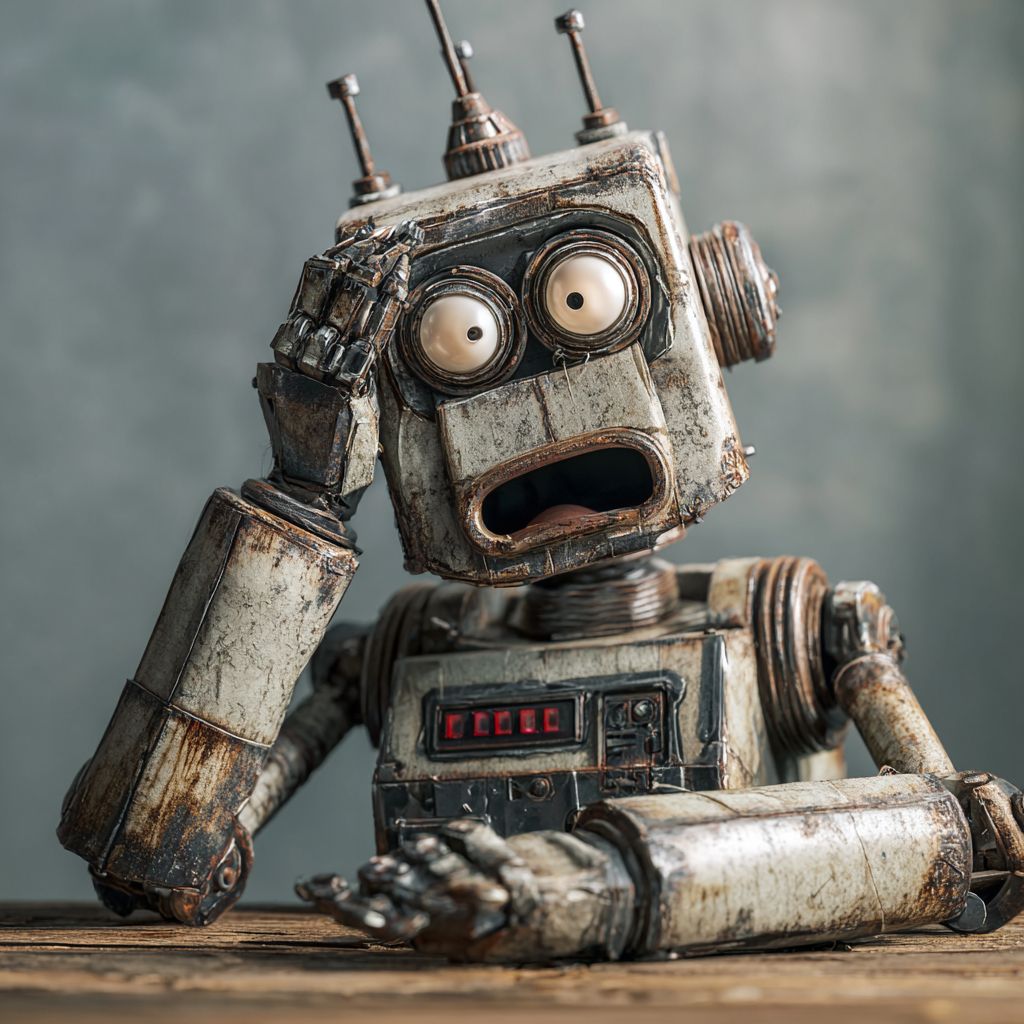
AI and the punchline: can machines really be funny?
A New Era for AI Humor
For decades, artificial intelligence has been praised for beating humans at chess, Go, and Jeopardy—but telling a good joke? That seemed like a bridge too far. A new study, AI Humor Generation: Cognitive, Social and Creative Skills for Effective Humor by Sean Kim and Lydia Chilton (2025), suggests that AI may be inching closer to pulling off the ultimate trick: making people laugh.
Why Humor Is So Hard for AI
Humor is one of the most complex human behaviors. It requires:
- Cognitive Skills – Recognizing wordplay, irony, or the absurd.
- Social Skills – Understanding timing, audience expectations, and cultural references.
- Creative Skills – Twisting language and ideas in surprising ways.
Unlike tasks with clear right and wrong answers, humor is subjective and context-dependent. A pun that kills in a high school cafeteria might flop at a scientific conference.
What the Study Found
Kim and Chilton analyzed how humor operates across three dimensions:
- Cognitive reasoning (word associations, incongruities).
- Social understanding (recognizing how people use humor to bond, deflect tension, or signal group identity).
- Creativity (producing novel connections rather than recycling clichés).
They then tested advanced AI systems trained on cultural references popular with Gen Z, from internet memes to TikTok trends. Surprisingly, these systems produced humor judged by participants as approaching human quality—especially when tuned for cultural and social awareness.
The Human-AI Comedy Gap
Still, the researchers note that AI is not exactly ready for stand-up night. Machines often miss nuance, over-explain punchlines, or lean on wordplay that feels forced. Humor thrives on surprise, subtlety, and knowing what not to say—traits that are difficult to code into algorithms.
Why This Matters
This isn’t just about robots telling dad jokes. The study points out that humor:
- Improves human-AI interaction (people enjoy chatbots more when they’re witty).
- Builds trust and relatability in digital tools.
- Can support learning, therapy, and even cross-cultural communication.
In short, humor may be a “missing ingredient” that makes AI feel more genuinely human.
Looking Ahead
Kim and Chilton’s work suggests that the key to AI humor lies in blending reasoning, social cues, and creativity. Rather than replacing comedians, the real future may be collaborative—AI as a “writing room assistant” that tosses out ideas, while humans decide which jokes land.
Or, as one of their AI models quipped in the study:
“Humans worry AI will take their jobs. Don’t worry—we’re only coming for the clowns first.”